1. Define your value proposition for delivery
- It's not just about “sending food home.” Think: what differentiates you from other restaurants that also do delivery?
It might be the quality of your ingredients, the speed of service, your sustainable packaging, or your specialized cuisine. Communicate that proposition across all channels: social media, website, third-party apps, etc.
If what sets you apart is your quality, discover how to position your restaurant and be a reference.
2. Choose your sales channels wisely
- Third-party platforms (Glovo, Uber Eats, Just Eat): they give you visibility, but charge high commissions.
- Own channel (website or app): more profitable in the long run, but requires promotion and management.
- Many restaurants combine both models: they use platforms to attract new customers and then retain them through their own channel.
- ThinkPaladar: Optimize your delivery and take away
ThinkPaladar is a platform that improves order management, reduces delivery times and ensures the quality of the delivery service. If your restaurant offers this service, incorporating it is key to streamlining operations, increasing customer satisfaction, and making data-driven decisions.
What is the difference between Delivery and Take Away?
Request a demo3. Optimize the menu for delivery
Not all dishes travel well. Choose those that maintain their flavor, texture, and presentation after 30 minutes. Consider creating an exclusive menu for delivery or take away, with dishes designed to be transported without issues. This can also help you manage costs and streamline production in the kitchen.
4. Take Care of the Packaging
The packaging is part of the experience. It must:
Communicate your brand (logo, colors, message).
Good packaging reinforces your identity and leaves a better impression on the customer.
5. Streamline logistics
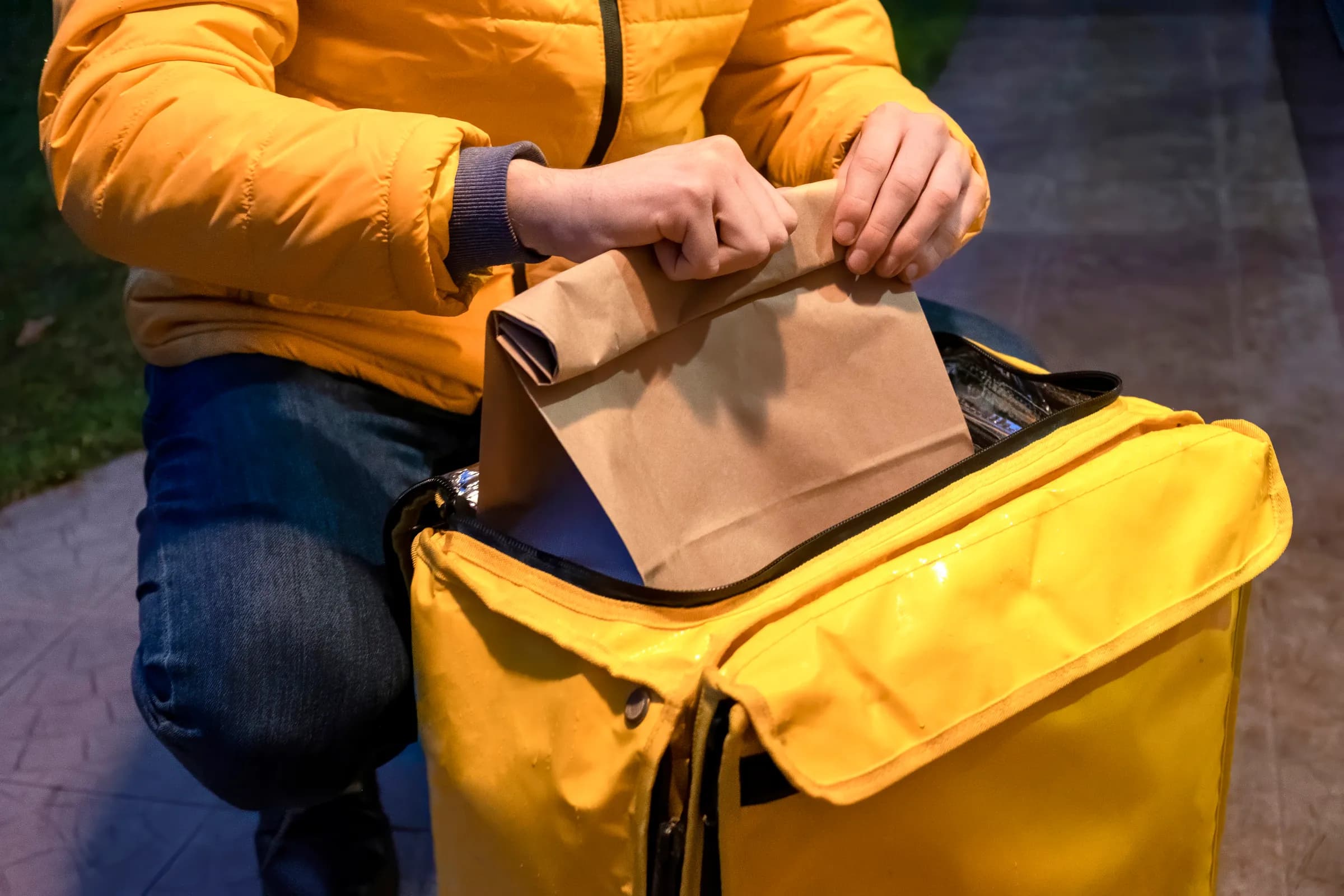
If you manage delivery with your own staff:
Control departure and delivery times.
Use a management and route optimization software
If you rely on third parties, make sure they adhere to your quality standards and timelines.
6. Promote your delivery and take away
Use your channels to communicate the service:
Social media with tempting photos.
Special offers for first orders.
Flyers inside the store or in the take-away bags.
You can also encourage repeat purchases with discounts or loyalty programs.
Discover how AI helps retain customers in your restaurant.
7. Measure and improve constantly
With this information, you can adjust the menu, strengthen your team during key hours, and improve the service.
Last Advice
A good Smart Assistant, like the one offered by Bookline, is essential to improve your delivery service. Thanks to its ability to manage conversations efficiently and automatically, you can optimize customer service, reduce errors, and increase response speed.
With an AI Agent, you not only streamline the ordering process, but also offer a more personalized and smooth experience, which translates into greater satisfaction and loyalty from your customers.