1. Smart Menus: The Future of Dining
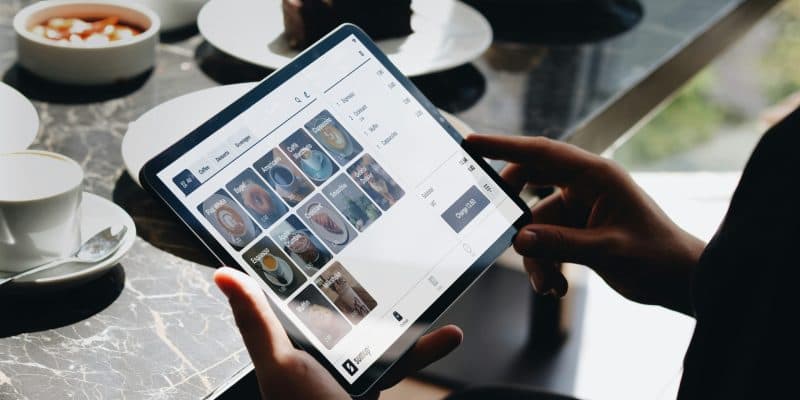
One of the main areas where AI is having a positive impact is in the creation and management of menus. Thanks to advanced algorithms, AI can analyze tastes, preferences, and behaviors of customers, adjusting menus in real-time to offer options that align best with their desires. This not only enhances the dining experience but also allows restaurateurs to make informed decisions about which dishes are the most popular or profitable.
2. Price Optimization: Maximize Your Profits with AI
The artificial intelligence applied to pricing allows restaurateurs to optimize their profit margins in real time. Through predictive models and massive data analysis, AI can recommend dynamic prices that respond to factors such as demand, weather, location, or even special events in the city. This type of automatic adjustments ensures that prices are competitive without sacrificing profitability, something that is key to the survival of any restaurant in times of economic uncertainty.
For example, if a restaurant is in a tourist area and receives an increase in customers during peak season, AI can suggest a slight price increase on popular dishes, based on historical consumption patterns. On the other hand, during days with less foot traffic, the system could propose discounts to attract more customers.
3. The Voice AI Revolution in Dining
One of the most interesting developments in AI for dining is the integration of voice AI. Through voice, diners can ask questions about ingredients, gluten-free options, make reservations, or even request recommendations based on their personal preferences.
- For example, a customer could simply say: "What vegetarian dishes do you recommend today?" and the AI, which is connected to the restaurant's system, would instantly respond with the best options from the menu. This type of interaction not only enhances the customer experience but also streamlines service, reducing wait times and increasing efficiency in service.
4. WhatsApp as an intelligent communication channel
Regarding communication with customers, the integration of WhatsApp with AI is revolutionizing the way restaurants interact with their clientele. Automated messaging systems allow customers to make reservations, place orders, obtain information about the menu, and receive promotions, all through a channel they already know and use daily.
With AI integrated into WhatsApp, restaurants can manage frequently asked questions automatically, respond to inquiries about hours, dish availability, and even recommend menus based on customer preferences. Additionally, AI can send personalized messages with special offers, reservation reminders, or even congratulate customers on their birthdays. This type of personalized communication not only enhances the customer experience but also increases the likelihood that they will choose the restaurant again.
Benefits of AI for Restaurateurs: Efficiency and Personalization
The use of AI offers restaurateurs a number of tangible benefits:
- Cost Reduction: the automation of tasks such as price management and customer service reduces the need for staff in certain areas, allowing employees to focus on more critical tasks.
- Improvement in Customer Experience: AI-based personalization creates a more satisfying experience for diners, which can translate into increased loyalty and repeat visits.
- Greater Competitiveness: restaurants that adopt these technologies have a competitive advantage by being more efficient, dynamic, and capable of rapidly adapting to changes in the market.
What is coming? The future of restoration with AI
As technology continues to advance, the role of AI in restoration is expected to expand even further. From predictive analytics to improve inventory management to the integration of fully customizable menus that adapt in real-time to each customer’s tastes, the possibilities are practically endless.
While AI for menus and pricing is already making a noticeable difference in the industry, the future promises even more radical changes, and those restorers who stay at the technological forefront will be better positioned to leverage these advances and transform their business sustainably.
If you are a restaurateur, it’s time to start considering these tools to optimize your business, enhance your customers' experience, and stay ahead in a highly competitive market.
AI is already here to transform restoration, and you won’t want to be left behind!