Published:
Digitalization of restaurants in Spain in 2026
Digitalization in the Spanish hospitality sector is no longer an option but a matter of survival. With increasing competition and operating costs in cities like Madrid, Barcelona, or Valencia, optimizing every reservation is the difference between ending the month in the red or with profits. But what tools do you really need to digitalize your business? What are the best tools for restaurants in 2026 in Spain? What tasks can be digitalized?

1. What is restaurant digitalization and why is it vital today?
Going digital is not just about having a nice Instagram. It means connecting the critical areas of restaurants:
Operational management: POS systems that comply with current tax regulations.
Cost control: Tools to manage recipe costing and avoid waste.
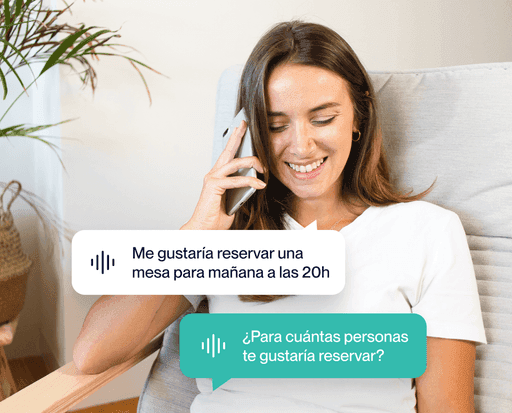
Customer experience: This is where conversational AI makes the difference, allowing your restaurant to answer calls 24/7 in multiple languages.
Staff management: from employee clock-ins to shift management.
2. The 3 essential tools for your restaurant
To compete in the local market, these are the solutions leading the transformation:
Management Software (Back-office): Tools like Haddock to manage invoices.
Reservation and dining room systems: The integration of systems that prevent "no-shows".
Conversational AI: The perfect complement to your POS. While your team serves tables during peak hours, AI handles phone reservations, allergen-related questions, and last-minute cancellations.
In Spain, 70% of weekend dinner reservations are still initiated or checked by phone. Not answering that call is handing the customer to the restaurant across the street.
3. Real benefits: More control, fewer losses
Elimination of human error: AI records data directly in your reservation book.
Increase in average ticket: By freeing waiters from the phone, they can focus on upselling (selling that extra dessert or wine).
Real-time data: Know which days and at what times your customers in your city call the most.