Why the POS is the core of your hospitality strategy
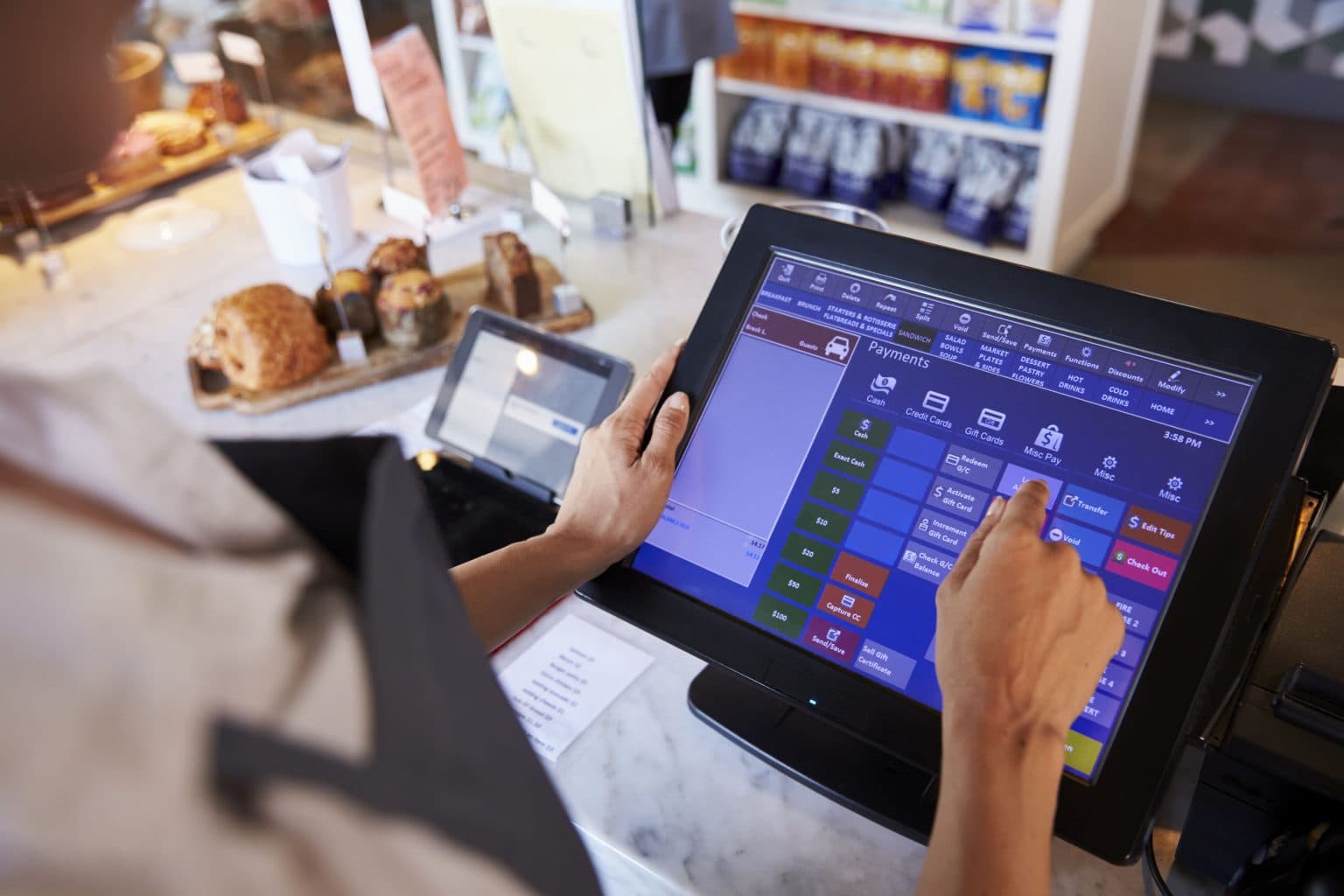
For establishments with a booking engine, connectivity is essential. A high-performance POS system allows you to unify room management, inventory control, and customer database into a single interface. The key lies in how this software interacts with other critical tools to ensure that every table is maximized.
Comparison of the best POS systems for hospitality 2026
Multi-platform system with over 250 integrations. Includes room management, delivery, booking engine, reporting, clocking, inventory, promotions, AI assistant, online store.
From €59 plus transaction fees
Intuitive interface focused on ease of use, proprietary hardware, and flexible payment options for agile operations.
Hospitality, bars, and full-service restaurants
Advanced management of tables and orders. Cloud-based system with a strong focus on operational stability in the room.
Cafés and high-rotation establishments
Ideal for quick payments and basic sales management without significant integration needs.
Analysis of the best POS systems for hospitality
Below, we delve into the most robust options for businesses looking to professionalize their management and maximize their billing through process automation.
Last.app: The comprehensive and scalable solution
Last.app positions itself as the most complete technological ecosystem for modern dining. Its software is specifically designed to be cross-platform, allowing for the management of the dining room, delivery, reservations, and administrative tasks from a single location.
What makes this tool stand out is its adaptability. It is ideal for businesses that need smooth operations and an open architecture that allows for strategic integrations. By combining Last.app with AI tools like Bookline, the restaurateur gains total control over their availability, ensuring that no opportunities for revenue are lost due to an unanswered call. Its intuitive interface reduces staff training times and optimizes the average ticket size thanks to its real-time data analysis.
Square for Restaurants
Square is a well-known option for its ease of use and quick implementation. It offers a clear pricing structure, primarily based on transaction fees, which is appealing to certain business profiles. Although it has an advanced online store, in very complex operational structures of hospitality, it may require additional add-ons to achieve the level of customization of native solutions in the sector.
Revo Cegid: Specialization in the Sector
Revo is a consolidated solution that offers specific modules for different segments of the hospitality industry. It stands out for its stability and for being designed with the real needs of the floor staff in mind. It is a robust option that also bets on the cloud, allowing for efficient remote management, although its learning curve can be somewhat steeper than other more modern and agile options.
SumUp and its focus on mobility
SumUp is a widely used solution among small establishments due to the simplicity of its devices. It is excellent for quick payments and total mobility on the terrace. However, for hotels or restaurants with advanced needs for reservation management and complex kitchen workflows, its features may be limited if a deep integration with the entire digital ecosystem of the restaurant is sought.
When deciding, you should not only look at the cost of the license. It is vital to evaluate the support capacity and, above all, the ease of integration with tools that modernize the customer experience.
Request a demo of Bookline today and discover how our AI integrates with your POS so you don't miss any reservations.