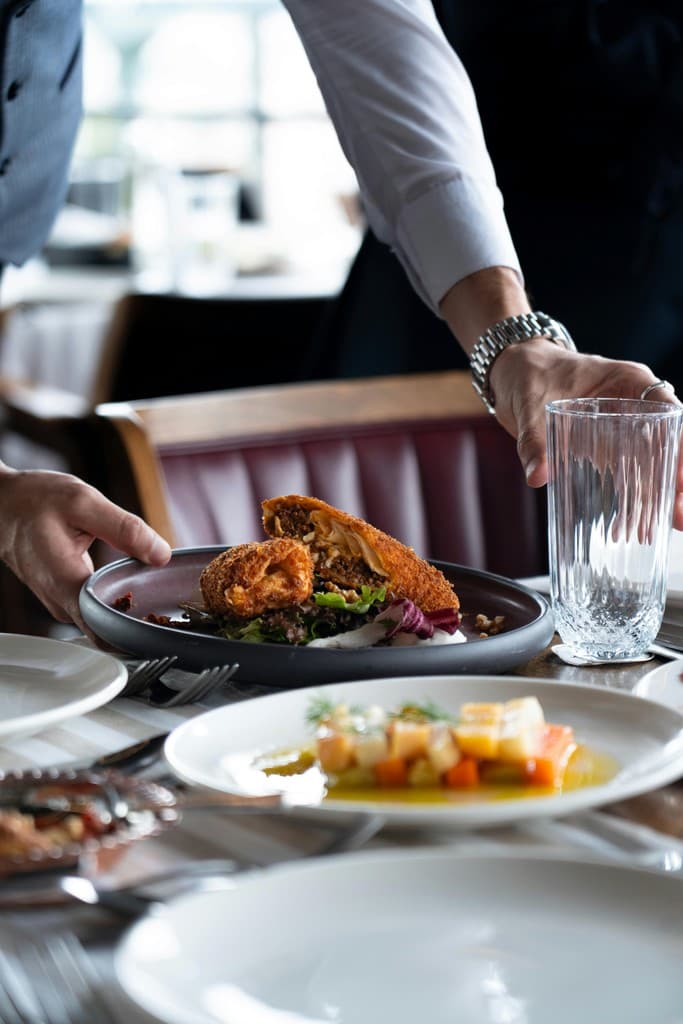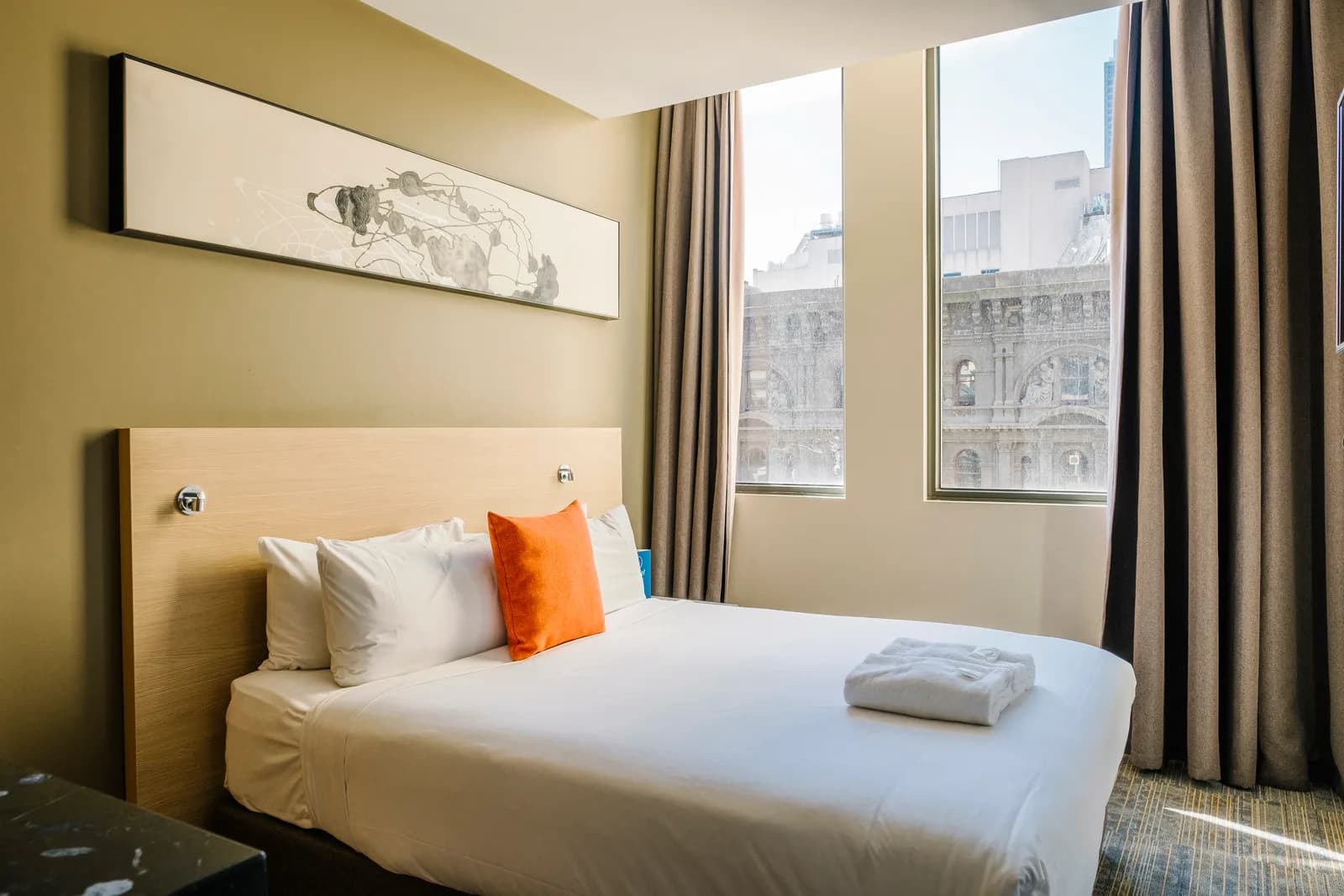
Picture Hotel Casa Palacio in the historic heart of Seville. 22 rooms, courtyards with orange trees, original eighteenth-century tiles. María runs it with her husband and two trusted employees. The reviews on Google are glowing: "exquisite service", "like being at home", "the best hotel in Seville". And yet María knows there is a gap she cannot close with charm alone.
When the big chains can answer in 12 languages at 3am, send automatic reminders that cut no-shows and have revenue managers adjusting prices in real time... María's hotel has its hands tied.
The technology gap between the big hotel chains and independent hotels has grown without pause over the past decade. The chains invest millions in systems that small hotels cannot pay for. And the modern traveller, used to instant answers and friction-free service, does not distinguish between a 500-room hotel and a 22-room one when it comes to what they expect.
Until artificial intelligence came along.
How can AI help your independent hotel? Find out →
The real problem facing the independent hotel in 2026
The Spanish independent hotel has a structural problem that goes well beyond a lack of resources: it competes in a market where the rules are set by players with orders of magnitude more resources.
OTAs take between 15% and 25% of every booking. Booking.com, Expedia, Airbnb: platforms that have become essential for visibility but that erode the margin on every night sold. A boutique hotel with an average rate of €120 a night hands over between €18 and €30 per booking to platforms that never laid a brick or cooked a breakfast.
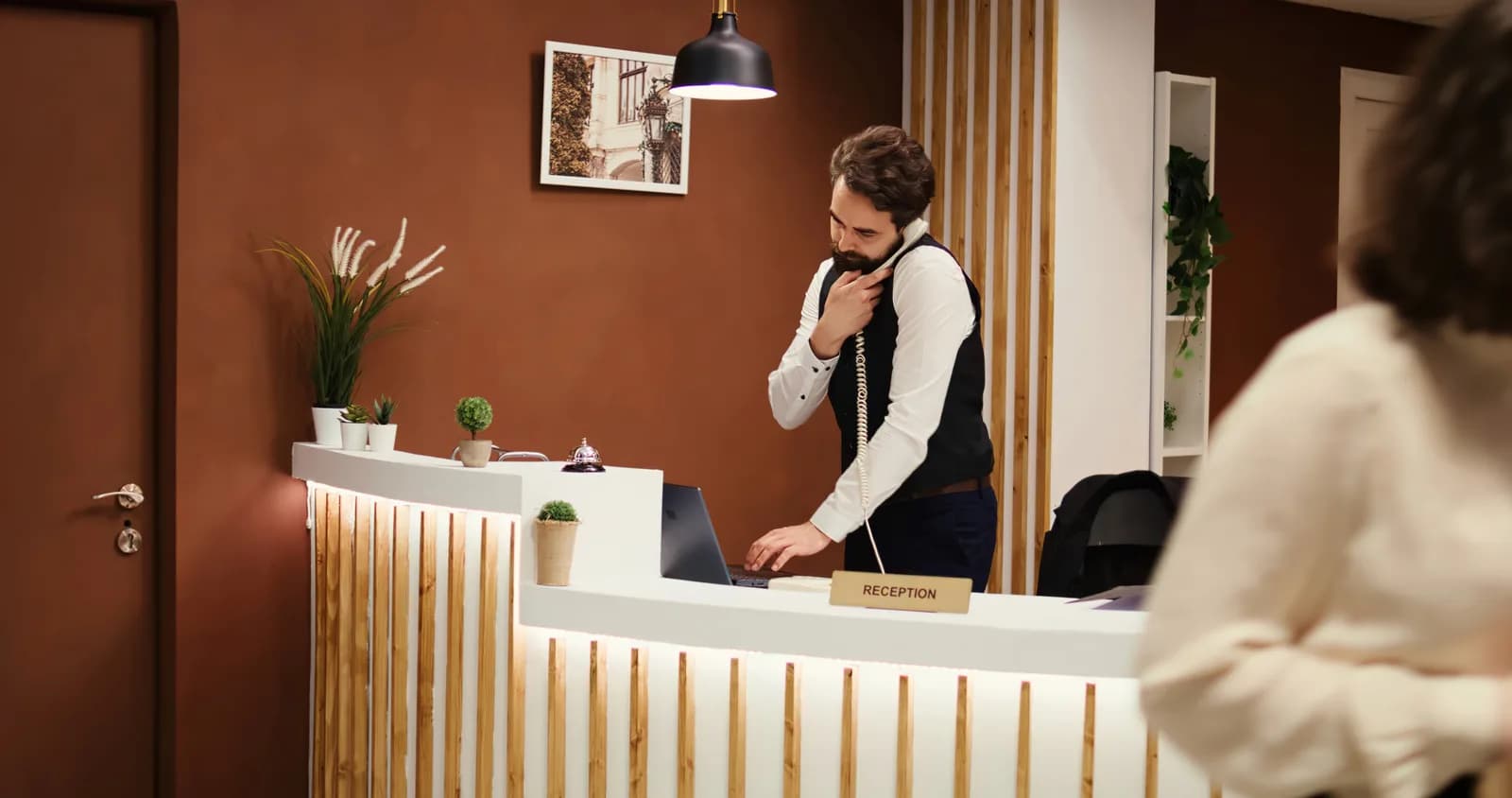
- Staff cannot cover 24/7. The receptionist works set hours. Once she leaves, the phone goes unanswered. Emails pile up. WhatsApp enquiries wait until tomorrow. And the traveller who called at 22:00 has already booked somewhere else before reception opens.
- The modern traveller expects an immediate answer. It makes no difference whether the hotel has 20 rooms or 2,000. Someone looking for a room in 2026 has dozens of options within seconds. If they do not get a fast answer from their first choice, they move to the next one without thinking twice.
- The big chains invest in technology the independent hotel cannot pay for — or at least could not until recently. Revenue management systems, CRM with artificial intelligence, multilingual chatbots, full integration with distribution channels. Until a few years ago, the cost of implementing these solutions was out of reach for a 20-room hotel.
The outcome is predictable: the independent hotel competes on charm but loses on availability and speed. And in a market where response time increasingly decides conversion, that loss has a concrete price in euros.
What the big chains have and you still don't
24/7 service in multiple languages
When a German tourist calls at 23:00 to ask about a room with a sea view, or a group of French guests wants to know whether breakfast is included, the chain has an answer. Immediately. In the customer's language.
When that same call reaches the independent hotel at 23:00, nobody picks up the phone. The call goes to voicemail or is simply lost. The German tourist opens Booking.com and books another hotel before sunrise.
Automatic reminders and no-show management
Hotel chains send automated confirmation and reminder sequences from the moment the booking is made. An immediate confirmation, a reminder seven days later, another reminder 48 hours before arrival. The guest knows the booking exists, feels looked after and, when the day comes, turns up.
A no-show in an independent hotel can be the difference between a profitable month and a loss-making one. And the reality is that the lack of automated communication is one of the main causes of avoidable no-shows.
Dynamic revenue management
Large hotels have managers and algorithms that adjust rates in real time according to forecast occupancy, competitor behaviour and market demand. Over a May long weekend, they push prices up when inventory runs low. In a quiet week in November, they bring them down strategically to fill rooms that would otherwise stay empty.
The independent hotel works with static rates or occasional manual adjustments. It loses revenue when demand is high and loses customers when demand is low. The money left on the table is invisible, but it is real.
Campaigns to win back past guests
The chains have sophisticated CRMs that record every stay and every preference. Six months after a guest stayed, they receive a personalised email with an offer for their next visit. The system knows they travel as a couple, that they prefer a high floor and that it was their anniversary. The offer is tailored.
The independent hotel has, at best, an Excel sheet with names and email addresses that nobody has time to work. Those happy guests who left five stars on Google are right there, ready to come back, and nobody contacts them.
An immediate answer to every enquiry
Average response time at the big platforms and chains is measured in seconds. The enquiry arrives and the answer goes out. Automatically. At any hour.
The independent hotel answers when it can. Sometimes within minutes, if someone is free. Sometimes hours later, if the team is serving breakfast or handling a check-in. Sometimes the next day. By then, the customer has booked somewhere else.
What Bookline's AI can do for your independent hotel
The Bookline platform acts as a permanent assistant that works alongside your team, without replacing it.
A voice assistant that answers every call on the first ring. It makes no difference whether it is 2am or 9am on August 15. The call is answered, the booking is taken if there is availability, frequently asked questions are answered and the call is escalated to the human team when the situation calls for it. All in the customer's language: Spanish, English, French, German, Italian, Portuguese and more.
A WhatsApp assistant for pre- and post-stay communication. Automatic confirmations, check-in information, answers to questions about the hotel, reminders before arrival. The guest is looked after constantly on the channel they prefer, without the team having to watch a phone at all hours.
Campaigns to win back past guests. The AI identifies guests who stayed a while ago and launches personalised campaigns inviting them to come back. No complex CRM, no marketing team. The automation does the work.
The result is that the 20-room hotel has the same responsiveness as a 500-room chain, with the advantage that the human touch only an independent hotel can offer remains the real differentiator.
The independent hotel's advantage: the personal touch the chains cannot copy
Here is the one thing the big chains cannot replicate however much they invest: authenticity and genuine personalisation.
Marriott can know that a guest prefers a high floor. But it cannot have the owner waiting at the door with a genuine smile, asking how the journey went. It cannot leave a bottle of wine from the local winery she recommended last year waiting in the room. It cannot improvise a special table for the guest who calls the same day because it is their parents' wedding anniversary.
The AI handles efficiency. The human team handles the experience. And when the two work together, the independent hotel has something no chain can buy: big-chain technology plus the soul only a family-run hotel has.
The practical example: the AI handles the booking call, collects the customer's details, records that they are coming for an anniversary and updates the PMS. When the couple arrives, María already knows their names, there are flowers in the room and she has booked a special table at the restaurant round the corner. No Marriott algorithm does that.
How much does it cost to implement AI in an independent hotel?
The relevant comparison is not "how much does AI cost?" but "how much does it cost not to have it?"
OTAs cost between 15% and 25% of every booking. For a hotel with an average rate of €110 and 18 rooms, that can mean between €20,000 and €45,000 a year in commission. Every extra direct booking won thanks to AI that is available 24/7 reduces that cost.
An extra employee on the front desk costs €22,000 to €30,000 a year, with availability limited to one shift. The AI works 365 days a year, at any hour, with no holidays and no sick leave.
The typical ROI of implementing a solution like Bookline in an independent hotel is positive from the first month if it wins two or three extra direct bookings a week that would otherwise have gone to an OTA or been lost. For most of the hotels that implement it, that threshold is cleared comfortably.
The investment is not an expense: it buys the time and the capacity the hotel needed but could not afford.
Frequently asked questions about artificial intelligence for independent hotels
Can a small or independent hotel afford artificial intelligence?
Yes. The pricing of today's AI solutions for hospitality is designed for hotels of any size, with a fixed monthly cost that is a fraction of what it takes to hire an extra employee or of what you pay in commission to the OTAs. The more relevant question is not whether the hotel can afford it, but whether it can afford not to have it when its competitors — large and small — are already using it.
How long does it take to implement an AI solution in an independent hotel?
Implementing Bookline in an independent hotel is usually completed within four to six weeks. It covers the integration with the hotel's PMS, the configuration of the voice assistant with the property's specific answers and the training of the team. It requires no changes to existing technology infrastructure and no large investment upfront.
Does Bookline's AI integrate with my hotel's PMS?
Yes. Bookline integrates natively with the leading hotel management systems on the market: Mews, Opera, Cloudbeds, Siteminder and others. Bookings handled by the AI assistant appear automatically in the hotel's PMS in real time, with no manual processes and no risk of duplicate or availability errors.
Does AI replace front-desk employees in a hotel?
No. The AI acts as an assistant that works alongside the human team, handling the volume of calls and enquiries that would otherwise go unanswered: calls outside reception hours, enquiries during service peaks, repetitive confirmation emails. The human team is freed up for what really makes the difference in an independent hotel: personal attention and the guest experience.
What real advantage does an independent hotel gain from using AI compared with the big chains?
The big chains have the technology but cannot offer authentic personalisation. The independent hotel that implements AI gets the best of both worlds: the operational efficiency of a chain (service 24/7, immediate answers, automatic management of bookings and reminders) combined with the personal treatment only a family-run hotel can give. That combination cannot be imitated, and it is the main differentiating factor in today's market.